
Sex Therapy in NC & VA
Sex Therapy
A Different Kind of Conversation About Sex
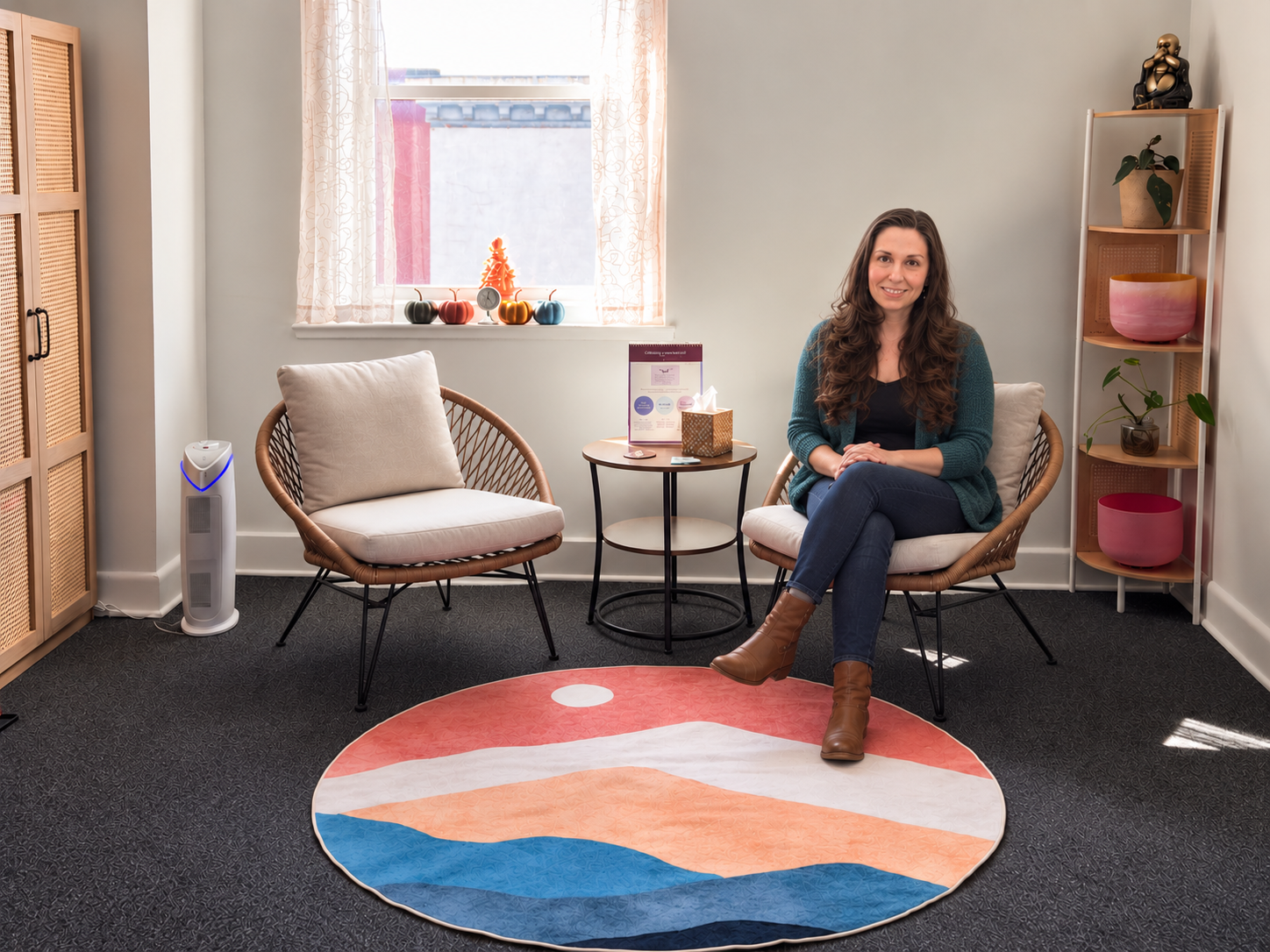
Sex therapy is psychotherapy for the parts of your sexual life that feel confusing, frustrating, painful, disconnected, complicated, or simply not the way you want them to be.
And because this is apparently something that needs to be said: sex therapy does not involve sexual activity or physical touch with your therapist. We talk. We explore. We get curious about what your body, brain, relationships, experiences, and nervous system are bringing into the room.
You don't need to know exactly what's “wrong” before you come in. You also don't need to be having sex, be in a relationship, have a particular identity, or fit anyone else's definition of what a healthy sex life is supposed to look like.
- AASECT CertifiedSex Therapist credential
- MS, LCMHC, LPCLicensed clinical mental health counselor
- Trauma-InformedBody-based, integrative, affirming
- Every IdentityLGBTQIA+, kink, neurodivergent, and differently-abled clients welcome
WHAT BRINGS PEOPLE HERE
What Brings People to Sex Therapy?
Changes in sexual desire or differences in desire between partners
Difficulty with arousal or orgasm
Sexual pain or discomfort
Erectile or ejaculation concerns
Feeling disconnected from your body or sexuality
Sex after trauma or unwanted sexual experiences
Sensory difficulties with sexual intimacy
Anxiety, shame, guilt, or fear around sex
Changes related to illness, disability, hormones, aging, or medication
Reconnecting with pleasure and sensuality
Exploring gender identity, sexual identity, orientation, or interests
Kink, BDSM, or consensual non-monogamy
Intimacy and sexual concerns within relationships
Pregnancy, postpartum, or menopause-related changes to sex
Compulsive sexual behavior or porn use that feels out of control
None of that means something is wrong with you. Desire can be weird. Bodies can be weird. You don't have to find yourself on this list to belong here. If something about sex, intimacy, pleasure, or your relationship with your sexual self is getting in the way of the life you want, we can talk about it.
What Does Sex Therapy Actually Look Like?
Sex therapy looks a lot more like therapy than most people imagine. We talk about what is happening, what you want to be different, and what may be getting in the way. Depending on what you are working on, that might include your sexual history, relationships, beliefs and messages about sex, body responses, medical factors, trauma, sensory needs, desire, pleasure, communication, or the ways your nervous system responds to intimacy.

Because I am also a trauma therapist, we do not have to separate sexual concerns from the experiences that shaped them. Sometimes talking and education are enough. Sometimes the work includes mindfulness, body awareness, nervous system regulation, EMDR, Brainspotting, or other experiential approaches. We decide together what makes sense for you.
And No, Sex Therapy Does Not Involve Sexual Touch.
There is no sexual contact between therapist and client. You will not be asked to undress, demonstrate sexual activity, or engage in sexual behavior during a session. Some therapeutic exercises may be discussed or assigned for you to explore privately between sessions, but you are always in control of what you choose to do.
What Does AASECT Certified Actually Mean?
“Sex therapist” is not a separate professional license, which means the title alone does not tell you much about someone's training. AASECT certification does.
AASECT Certified Sex Therapists are licensed mental health professionals who complete extensive additional education, supervised clinical experience, and training specifically focused on human sexuality and sex therapy.
For you as a client, that means we can talk about sex without treating sexuality as an afterthought, automatically assuming something is dysfunctional, or avoiding the conversation because it feels uncomfortable.

You Shouldn’t Have to Educate Your Therapist Before Your Therapy Can Begin.
LGBTQIA+ identities, neurodivergence, kink and BDSM, consensual non-monogamy, disability, sexual trauma, and the many ways people experience desire, pleasure, intimacy, and relationships are all welcome here. You get to bring your actual life into the room.
When Sex and Your Nervous System Get Tangled Together

Sexuality does not happen separately from the rest of your body. Your nervous system is there, too. It notices closeness, vulnerability, sensation, uncertainty, memories, expectations, and whether your body believes it can soften enough to stay present.
Sometimes your mind knows you want intimacy while your body responds differently. You might freeze, disconnect, tense up, lose arousal, become overwhelmed, feel numb, or suddenly want to get away. That does not necessarily mean you do not want your partner, that something is wrong with your relationship, or that your body is failing you.
Your Body Learned What It Learned for a Reason.
Trauma, attachment experiences, shame, pain, medical experiences, religious or cultural messages, sensory differences, and past relationships can all shape how your body responds to sexuality and intimacy.
This is where my work as a trauma therapist and sex therapist overlaps. Instead of trying to force your body to respond differently, we get curious about what it is doing, why that response may have developed, and what it might need now.
Is Sex Therapy Right for Me?
You do not need to be in crisis, have a diagnosed sexual dysfunction, or even know exactly what you want to change. Sometimes people come to sex therapy because something hurts or is not working. Sometimes they come because sex has become a source of conflict, anxiety, or avoidance. And sometimes nothing is particularly “wrong.” They simply want to understand themselves better, feel more connected to their bodies, communicate more openly, or experience sexuality in a way that feels more like their own.

Sex Therapy Might Be a Good Fit If You Want To…
Understand your sexual wants, needs, or responses
Work through shame, anxiety, or avoidance around sex
Reconnect with pleasure or your body
Navigate changes in desire, arousal, orgasm, or sexual functioning
Explore how trauma or past experiences affect intimacy
Communicate more comfortably about sex
Adjust to sexual changes related to health, disability, aging, or life transitions
Build a sexual life that fits you, rather than someone else's idea of what it should look like
You do not need to decide whether your concern is “serious enough” before reaching out. That's something we can figure out together.
Genuinely Welcome Here, Not Just Tolerated
LGBTQIA+, neurodivergent (ADHD, AuDHD, ASD), kink, and consensually non-monogamous folks: you won't have to teach me your own life before we can start. You will not have to explain yourself here.
Wherever You Are in NC or VA
I see clients in person in Elizabeth City and by secure telehealth anywhere in North Carolina and Virginia. Same work, same presence, from wherever you actually are.
→ Request An Appointment
Related Services
-

Somatic Therapy
For when you understand all of it and your body still didn't get the memo. Body-based therapy that works with your nervous system, not just your story.
-
Sex Therapy
For the parts of your sexual life that feel confusing, frustrating, painful, disconnected, complicated, or simply not the way you want them to be.
-

Trauma Therapy
For the stuff that doesn’t always have words. Body-based work (EMDR, Brainspotting, Internal Family Systems, Somatic Experiencing) for the trauma that's still running the show.
-

Couples & Relationships
For the relationship you actually have- monogamous, open, or poly- all genuinely welcome.
-

Neurodivergence
ADHD, autism, and the experience of living in a world that wasn't exactly designed with your brain in mind. Adult ADHD/ASD assessment and neurodivergence-affirming therapy that starts with understanding how your brain works, not trying to make it look more neurotypical.
-

Psychedelic Integration
Making meaning out of an experience you already had, or preparing for an experience you are moving toward. Integration only.
How It Starts
Three Steps, At Your Pace
- Step 1
Request An Appointment
Getting connected is easy. Let’s get you on the schedule and have a chat.
- Step 2
Start With a First Session
Talk-based care in Elizabeth City or by telehealth across NC and VA. You decide what to share. Tell me what you're noticing. I'll tell you honestly whether SOMA is the right place for it.
- Step 3
Set Goals Together
Sessions can include body awareness, nervous system work, EMDR, or Brainspotting. We choose them together.
Not Sure If I'm the Right Fit?
Good, that's exactly what an assessment session is for. Let’s figure out whether I can actually help you or whether you'd be better off with someone else. I'll tell you either way.
In a Crisis, I'm Not the Right First Call.
I don't monitor messages around the clock. If you're in danger or thinking about harming yourself, reach one of these now:
- 911 or your nearest emergency room
- Call or text 988 - Suicide & Crisis Lifeline
- Mobile Crisis: 866-437-1821 (NC)
- Text TALK to 741741 - Crisis Text Line